Blog
Discover why nail appointment reminders reduce gaps and boost revenue. Learn how automated notifications can transform your salon's schedule.
Nail appointment reminders are automated notifications that confirm bookings, prompt attendance, and make rescheduling easy for clients, directly cutting the appointment gaps that cost nail techs real money every week. The industry term for this practice is automated appointment notification, and it covers everything from instant booking confirmations to final pre-service nudges. Three-touch reminder sequences cut salon no-show rates from 12-18% down to 5-8%, recovering hundreds to thousands of dollars in weekly revenue. That single shift in how you communicate with clients changes the financial shape of your entire schedule. Understanding why nail appointment reminders reduce gaps starts with understanding that most missed appointments are not acts of disrespect. They are the result of forgetfulness, friction, and a lack of easy options.
The core reason reminders work is simple: they remove the conditions that cause no-shows. A client who booked three weeks ago may genuinely forget. A client who wants to cancel but dreads a phone call will often just not show up instead. Automated reminders solve both problems at once.
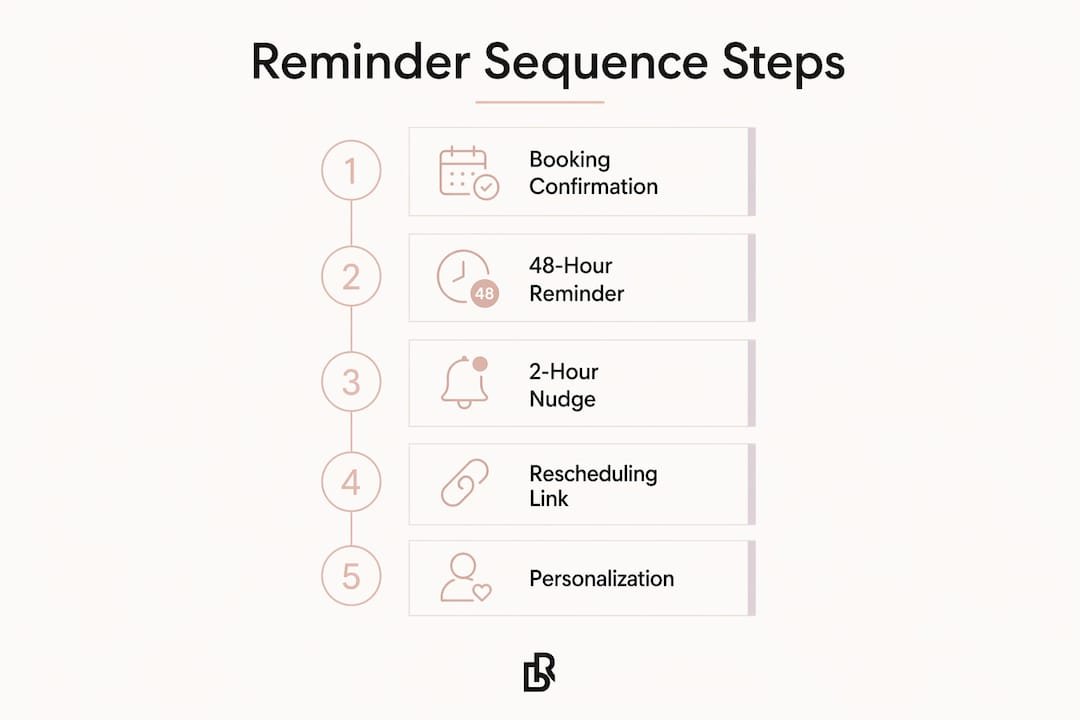
The most effective reminder structure follows a three-touch sequence:
Each touch serves a different purpose. The confirmation sets the expectation. The 48-hour message gives clients enough time to reschedule if needed. The 2-hour nudge catches last-minute forgetfulness. Together, they create a communication rhythm that keeps your calendar predictable.
Personalization is what separates a reminder that gets read from one that gets ignored. Personalized messages that include the technician’s name, the specific service, and any prep instructions see up to 4x higher engagement than generic ones. “You have an appointment tomorrow” gets scrolled past. “Hi Maya, your gel extension appointment with Jess is tomorrow at 2:00 PM. Please arrive with clean, polish-free nails” gets acted on.

Pro Tip: Never send more than three reminders per appointment. Clients who feel over-messaged will unsubscribe from notifications entirely, which eliminates your ability to reach them at all.
Two-way reminders go beyond one-directional notifications. They let clients confirm, cancel, or reschedule with a single tap, and they update your calendar automatically. That interaction loop is where the real scheduling power lives.
The practical benefits of two-way reminder systems include:
The psychology here matters. Clients who feel anxious about canceling will avoid the call and simply not show up. When you give them a low-effort exit, they take it. That cancellation, while disappointing, is far more valuable than a no-show because it gives you a slot to fill.
Pro Tip: Always include a direct rescheduling link in your 48-hour reminder. One-tap rescheduling converts 30-50% of potential no-shows into rebookings rather than lost revenue.
Yes, and the data is clear. Deposits and card-on-file policies work best when they are communicated through the reminder sequence itself, not buried in booking fine print.
The financial commitment created by a deposit changes client behavior before the appointment even arrives. Deposits on first-time or high-value bookings cut no-shows by up to 70%. Card-on-file policies reduce no-shows by 30-40%. That level of impact makes deposit collection one of the highest-return practices a nail tech can adopt.
Best practices for pairing policies with reminders:
Deposits work because they shift the cost of a no-show from you to the client. When a client has skin in the game, they show up or they reschedule. Either outcome protects your revenue.
Even with a strong reminder system, some cancellations will happen. The question is whether those open slots stay empty or get filled. Automated waitlist outreach is the answer.
When a client cancels, an automated system can immediately notify everyone on your waitlist with a text offering the open slot. Automated waitlist outreach fills open slots within 15 minutes and converts 30-50% of last-minute openings into booked appointments. That speed is the difference between a gap that costs you money and a gap that never appears on your final schedule.
The flow works like this:
| Step | What happens |
|---|---|
| Client cancels via reminder link | Calendar slot opens automatically |
| System detects open slot | Waitlist clients receive instant text offer |
| First client to respond books | Slot fills without any manual outreach |
| Remaining waitlist clients receive a “slot filled” update | No double-booking confusion |
The smart waitlist feature on platforms built for beauty professionals automates this entire sequence. You do not need to scroll through a list of names and make calls. The system handles it, and you see a booked appointment where there was a gap. Bkrdy builds this waitlist automation directly into its booking platform, so nail techs get gap-filling without the manual work.
A reminder system that is poorly configured can do more harm than none at all. Clients who feel spammed or confused will disengage, and disengaged clients become no-shows.
The most common mistakes nail techs make when setting up reminders:
Pro Tip: Treat your first 30 days as a test, not a final setup. Adjust message timing and copy based on actual client behavior, not assumptions. The beauty studio booking setup process works the same way: configure, observe, refine.
The biggest mistake of all is treating reminders as a policing tool. Reminders that feel like warnings push clients away. Reminders that feel like helpful service touchpoints build loyalty. The value added to a reminder, whether prep instructions, a rescheduling link, or a warm tone, directly affects whether clients show up and whether they come back.
Automated, personalized, multi-touch reminder sequences are the single most effective tool nail techs have for cutting no-shows and keeping their schedules full.
| Point | Details |
|---|---|
| Three-touch sequences work | Send confirmations, 48-hour reminders, and 2-hour nudges to cut no-shows from 18% to under 8%. |
| Personalization drives action | Include the technician name, service, and prep instructions to achieve up to 4x higher client response rates. |
| Two-way reminders save staff time | Clients who can confirm or reschedule with one tap free up 5-10 hours of manual follow-up per week. |
| Deposits multiply reminder impact | Pairing deposits with reminders cuts no-shows by up to 70% on first-time and high-value bookings. |
| Waitlists recover lost revenue | Automated waitlist outreach fills 30-50% of canceled slots within 15 minutes of the cancellation. |
The thing that surprises most nail techs when they first set up automated reminders is how quickly the tone of their client relationships changes. Clients stop ghosting. They start rescheduling. The calendar becomes something you can actually plan around, not just hope for.
What I have found is that the biggest shift is psychological, on both sides. When you automate reminders, you stop feeling like you are chasing clients. Clients stop feeling guilty about canceling because the process is easy and judgment-free. That dynamic is worth more than any single recovered slot.
The mistake I see most often is treating reminders as a last resort for problem clients. The techs who get the best results build reminders into every booking from day one. They do not wait for a no-show pattern to appear. They set the expectation before the first appointment and maintain it consistently.
My honest advice: do not guess at what works. Look at your no-show rate before and after each change. If your 48-hour reminder is driving most of your reschedules, that is your most valuable message. Protect it. If your 2-hour nudge is getting ignored, test a different format. The client retention data will tell you what to keep and what to cut.
Reminders done right do not just fill gaps. They build the kind of client relationship where gaps become rare.
, Luis
Bkrdy builds automated reminder systems directly into its booking platform for nail technicians, so you get the three-touch sequence, two-way messaging, and waitlist automation without stitching together separate tools.
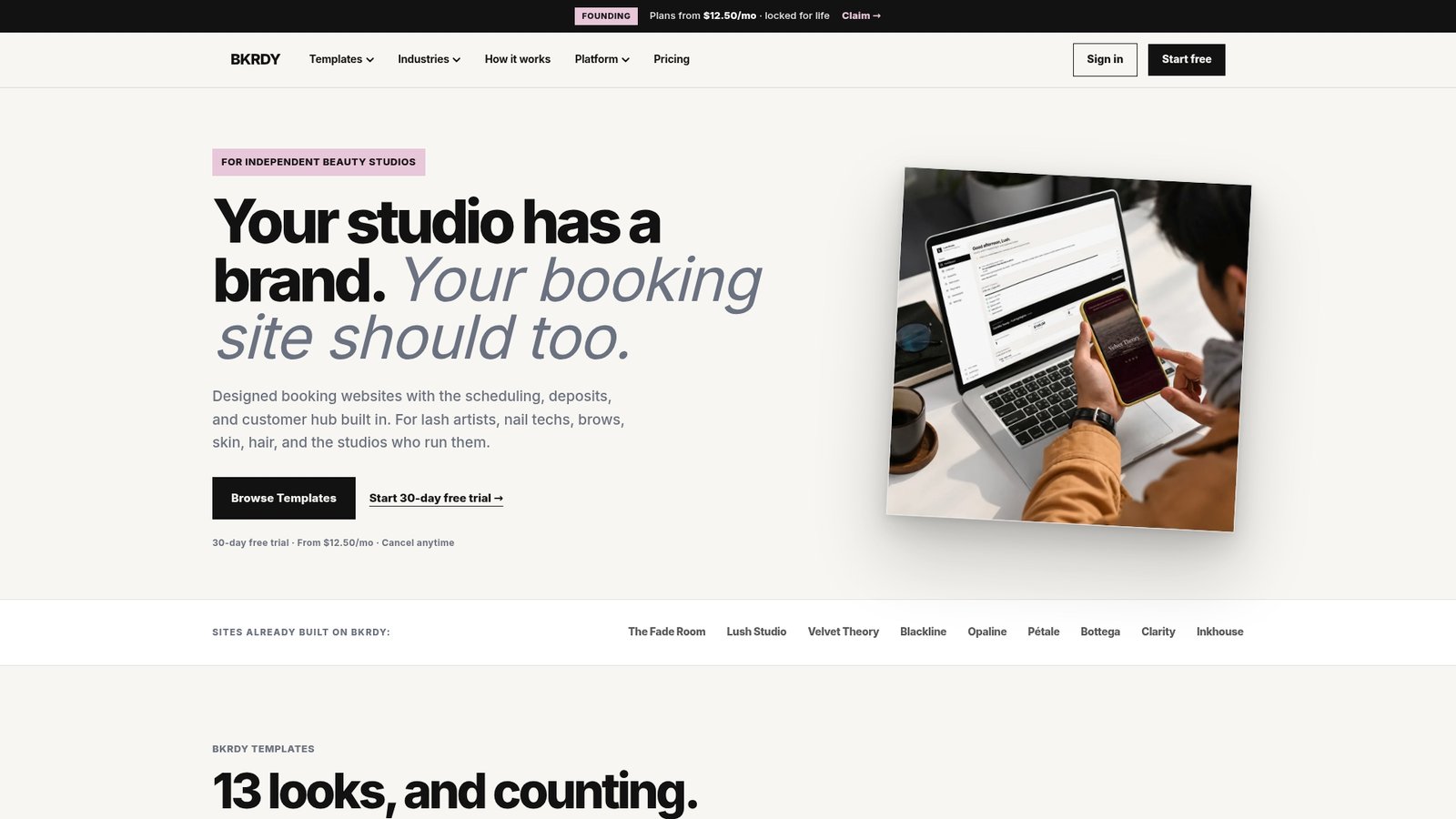
The automated reminders feature handles instant confirmations, 48-hour messages, and 2-hour nudges out of the box. Clients can confirm or reschedule with one tap, and your calendar updates automatically. Deposit collection runs through Stripe, so your cancellation policy is enforced without any awkward conversations. The nail tech booking platform also includes smart waitlist management that fills canceled slots within minutes. If you want a booking site that works as hard as you do, Bkrdy is built for exactly that.
Reminders reduce no-shows by removing forgetfulness and friction. Clients who receive a timely nudge with an easy rescheduling option are far more likely to show up or give advance notice than clients who receive nothing.
The most effective sequence is an instant booking confirmation, a 48-hour reminder with a rescheduling link, and a 2-hour final nudge. This three-touch approach cuts no-show rates from 12-18% down to 5-8%.
Deposits are collected at booking and communicated clearly in the confirmation message. When clients know a non-refundable deposit is on the line, no-show rates drop by up to 70% on first-time and high-value appointments.
Yes. Automated waitlist outreach sends instant text offers to waiting clients when a slot opens. This approach fills 30-50% of last-minute cancellations within 15 minutes, recovering revenue that would otherwise be lost.
Three reminders per appointment is the effective ceiling. Sending more than three increases the risk of clients opting out of notifications entirely, which removes your ability to reach them before future appointments.
BKRDY
Pick a template, take deposits, and let clients book on your own branded site. 30-day free trial.
Start your 30-day trial