Blog
Discover what is a personalized booking experience for beauty pros. Enhance client satisfaction and boost appointments with tailored scheduling.
A personalized booking experience is a tailored appointment scheduling process that uses client data, preferences, and history to make every interaction feel relevant and intentional. For beauty professionals, this is no longer a nice-to-have. 80% of clients are more likely to book when offered options shaped by their past behaviors. That number tells you everything about where client expectations sit in 2026. The industry term for this practice is individualized reservation management, and it covers everything from custom booking pages to automated follow-ups built around each client’s history. When you get it right, clients stop feeling like they are filling out a form and start feeling like they are being taken care of.
A personalized booking experience is built from four core components: client data, integrated systems, tailored options, and automated workflows. Each one plays a distinct role, and missing any of them leaves you with something that looks personalized but does not function that way.
Here is what each component actually does in practice:
The critical distinction here is between cosmetic customization and workflow personalization. Putting your logo on a booking page is cosmetic. Adjusting which services, time slots, and staff members appear based on a client’s loyalty tier or service history is workflow personalization. The first takes ten minutes. The second builds a business.
Pro Tip: Start with client profiles before touching anything else. A booking page with no client data behind it is just a prettier version of a generic form. Build the data layer first, then layer on automation.

Personalized booking improves client satisfaction because it removes friction. Clients do not have to re-explain their preferences, hunt for the right service, or wonder if their usual stylist is available. The system already knows.
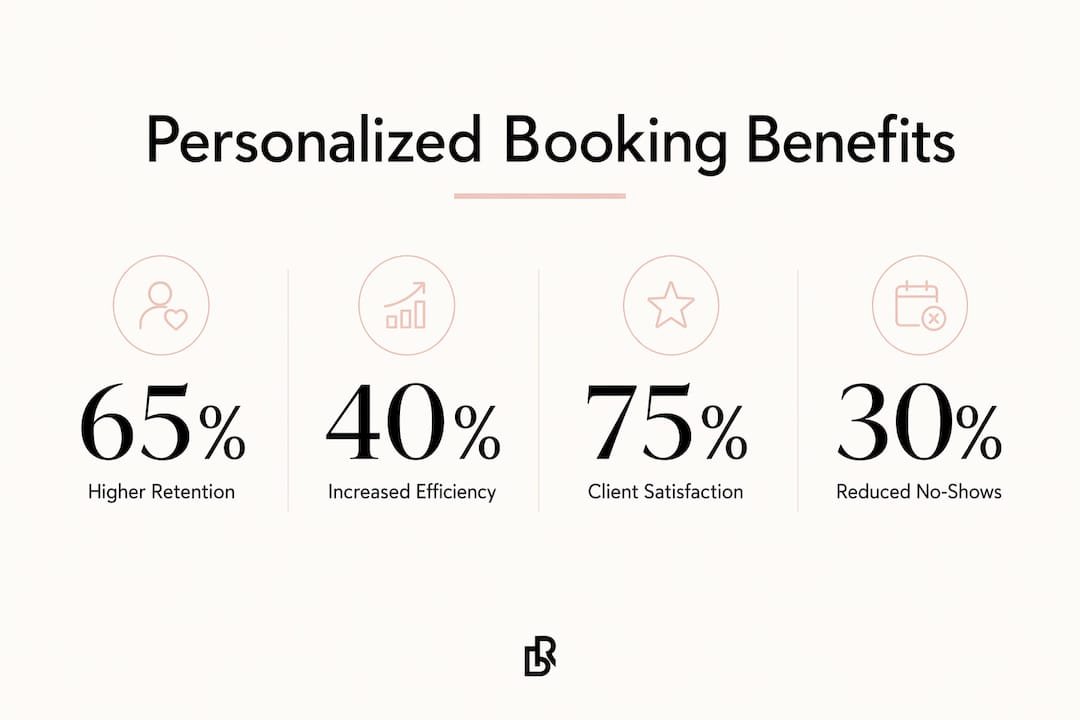
The business efficiency gains are equally real. Booking systems tailored to business workflows reduce friction by matching services, staff availability, and internal rules. That means fewer double-bookings, fewer manual corrections, and less time spent on the phone clarifying details.
| Benefit | What it means for your studio |
|---|---|
| Higher booking rates | Clients book faster when options match their history |
| Fewer no-shows | Personalized reminders tied to specific services improve attendance |
| Reduced admin time | Integrated systems handle data entry that staff would otherwise do manually |
| Stronger client loyalty | Clients who feel recognized return more consistently |
| More add-on revenue | Relevant suggestions at booking convert better than generic upsells |
The loyalty angle deserves its own attention. Personalization transforms loyalty programs from points-based systems into identity-based relationships. A client who feels like your studio knows them is not comparing prices with the salon down the street.
“Real personalization is about recognizing client intent and history to create a sense of belonging, not just inserting names into messages. Clients now expect booking journeys as intelligent and effortless as e-commerce recommendations, expecting beauty pros to anticipate their needs.” - Amadeus Hospitality
That quote captures the shift precisely. The bar is no longer “did you remember my name.” The bar is “did you remember everything.”
Creating a personalized booking journey requires a deliberate setup process. The good news is that you do not need to do everything at once. A phased approach works well for independent studios.
Pro Tip: Do not wait until you have a large client base to start personalizing. Set up your intake form and client profile system from day one. Retrofitting data collection onto an established client list is far harder than building the habit early.
The difference between a personalized booking experience and a generic scheduling process is not about aesthetics. It is about whether the system adapts to the client or forces the client to adapt to the system.
Generic booking platforms often fail to capture complexities like staff preferences or service combinations, creating friction for clients who have specific needs. A client who always books with the same stylist and always adds a gloss treatment should not have to manually select both every single time.
| Feature | Generic scheduling | Personalized booking |
|---|---|---|
| Client recognition | Name only | Full history, preferences, and loyalty status |
| Service suggestions | Static menu | Dynamic, based on past bookings |
| Reminders | Generic time alerts | Service-specific with prep instructions |
| Staff matching | Any available | Preferred stylist surfaced first |
| Deposit and payment | One-size approach | Adjusted by client tier or service type |
High-impact personalization delivers the right message or recommendation at the exact moment of need across the entire booking lifecycle. Generic platforms handle the transaction. Personalized systems handle the relationship.
The most common misconception is that adding a client’s first name to a confirmation email counts as personalization. It does not. That is mail merge. Personalization means the system surfaces your client’s preferred nail tech, pre-selects their usual service length, and flags that their last appointment was eight weeks ago so you can suggest a touch-up. The difference in client experience is significant.
A personalized booking experience is the single most effective way beauty professionals can increase client retention, reduce no-shows, and build a practice that clients actively recommend.
| Point | Details |
|---|---|
| Definition matters | Personalized booking uses client history and preferences, not just names, to tailor every interaction. |
| Data is the foundation | Client profiles, CRM integration, and appointment history power every personalization feature. |
| Automation scales the effort | Service-specific reminders and follow-ups maintain a personal feel without manual work. |
| Generic platforms fall short | Standard scheduling tools miss staff preferences, service combinations, and loyalty-based logic. |
| Start simple, then build | Collect intake data from day one and add automation layers as your client base grows. |
I have watched a lot of beauty professionals invest in better lighting, better products, and better social media, while their booking process still looks like a therapist’s intake form from 2015. The gap between the in-studio experience and the booking experience is where client loyalty quietly erodes.
What I find most telling is the data around client willingness to share personal information. When clients trust you enough to hand over their preferences and history, they are signaling that they want a relationship, not just a transaction. The studios that honor that signal with a genuinely tailored booking flow see it reflected in their rebooking rates.
The setup challenge is real. Connecting your CRM, calendar, and payment system takes more than an afternoon. But the studios I have seen struggle most are the ones who tried to build this on a generic platform that was never designed for beauty workflows. The tool matters. A system built around how a lash artist or nail tech actually operates will always outperform a general-purpose scheduler with a logo slapped on it.
My honest advice: do not let perfect be the enemy of functional. A booking page with solid client profiles and one automated reminder sequence is already ahead of most independent studios. Build from there. The branding and client loyalty piece will follow naturally once the operational foundation is solid.
, Luis
Bkrdy builds booking websites specifically for independent beauty studios, including lash artists, nail techs, hairstylists, and estheticians. Every site includes built-in client profiles, automated appointment reminders, and deposit handling through Stripe, so the personalization infrastructure is already in place when you launch.
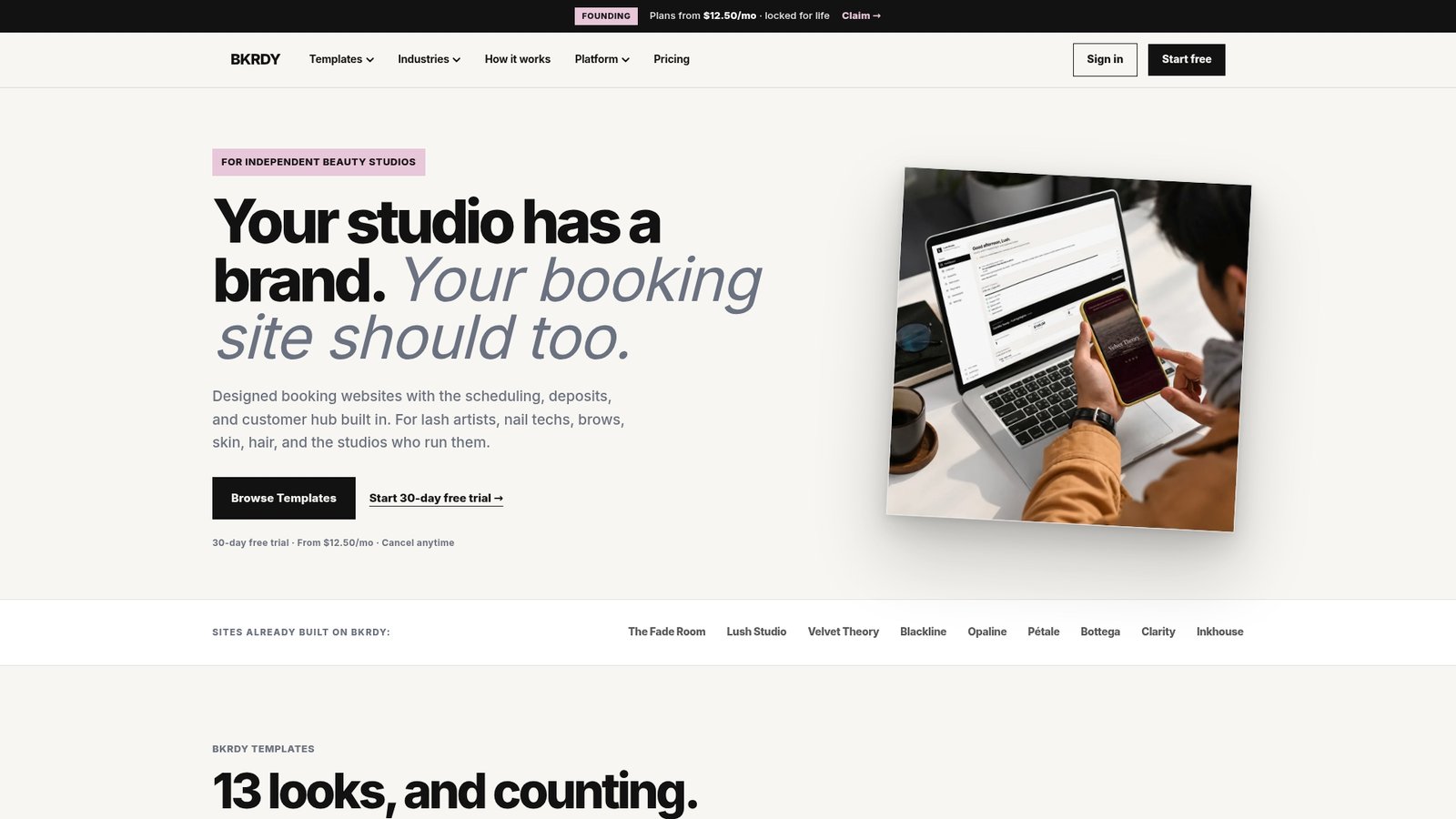
You do not need a designer or a developer to get started. Bkrdy’s platform is built around beauty workflows, not generic scheduling logic. Whether you run a spa, a hair salon, or an esthetician practice, the booking site reflects your brand and captures the client data that makes every future appointment feel personal. The client profiles feature stores preferences, history, and notes so your clients never have to start from scratch.
A personalized booking experience is an appointment scheduling process that uses a client’s past behavior, preferences, and history to make the booking feel relevant and tailored. It goes well beyond a standard calendar form.
Clients who feel recognized and understood are more likely to rebook. Personalized reminders, preferred staff matching, and service suggestions based on history all reduce the effort a client has to put in, which keeps them coming back.
Start with service preferences, preferred staff, appointment frequency, and any allergy or sensitivity notes. 52% of clients willingly share this data when they understand it improves their experience.
Generic platforms are built for broad scheduling needs and miss beauty-specific logic like staff preferences, service combinations, and loyalty-based availability. That gap creates friction for clients and extra manual work for you.
Automated reminders become personal when they reference the specific service, stylist, and any prep instructions relevant to that appointment. A reminder for a keratin treatment should read differently than one for a brow wax. Automation in appointment reminders is one of the fastest ways to improve the client experience without adding to your workload.
BKRDY
Pick a template, take deposits, and let clients book on your own branded site. 30-day free trial.
Start your 30-day trial