
Blog
Discover how client preference tracking nail services can enhance loyalty and reduce errors. Build stronger customer relationships today!
Client preference tracking in nail services is the practice of systematically recording each client’s service details, product choices, and personal preferences to deliver a consistent, personalized experience at every appointment. Done well, it moves your studio from reactive to proactive. You stop guessing what a client liked last time and start building a relationship that keeps them coming back. The industry standard for this practice centers on detailed client record cards and CRM-integrated booking systems, both of which capture everything from gel color codes to allergy notes. Nail technicians who track nail client preferences consistently report stronger client loyalty and fewer service errors.
A complete client record card includes five primary categories: date of service, service type, products used with brand and color codes, application notes, and client-specific preferences. Each category serves a distinct purpose. The date and service type give you a timeline. The product details let you replicate results exactly.
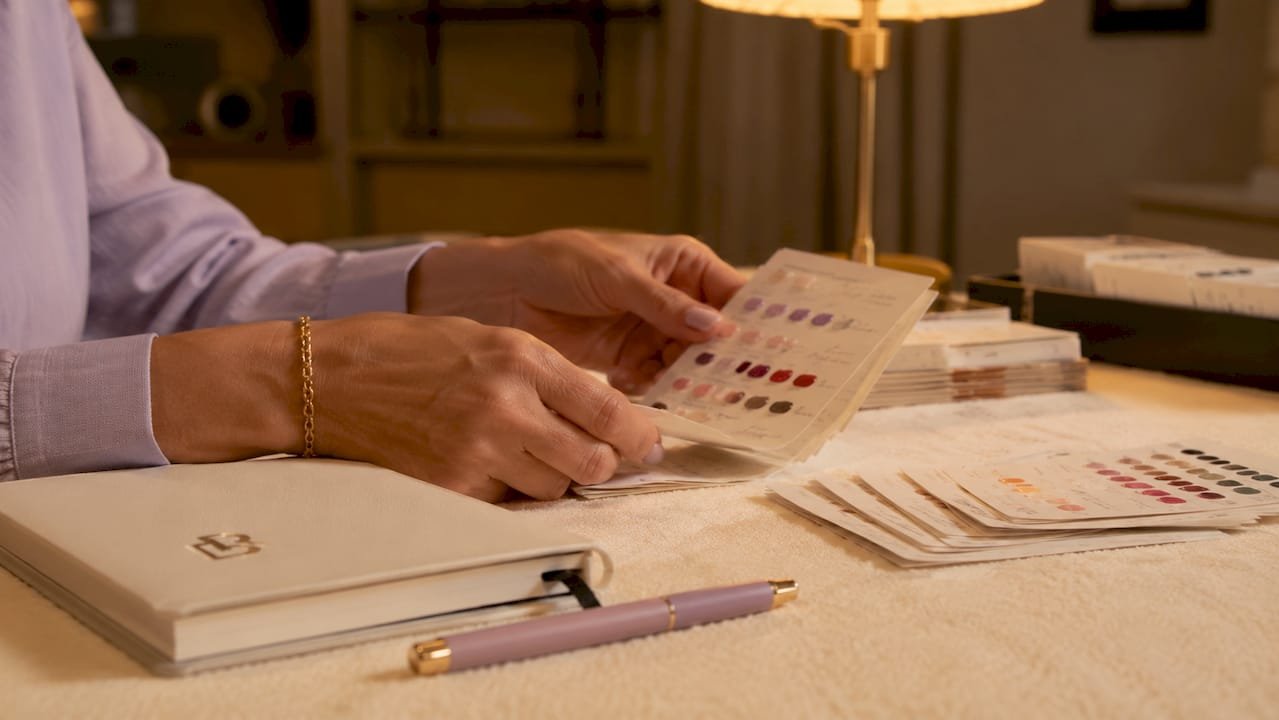
Application notes are where most nail technicians fall short. Recording how you applied a product, not just what you used, is what makes results replicable. If a client’s gel lifts at the sidewalls, note the prep technique you adjusted. That detail saves you from repeating the same mistake six weeks later.
Beyond the technical fields, capture the personal layer too:
Pro Tip: After every appointment, spend 60 seconds adding a photo and two or three bullet notes before the client leaves the building. That habit takes less time than re-explaining a service gone wrong.
Nail studios use several distinct approaches to manage client history. Each fits a different business size and workflow.
CRM-based booking platforms are the most complete solution for nail studios. They track client preferences, history, and contact info to enable personalized marketing and better service outcomes. When a client books, their full history is visible before the appointment starts. These systems also automate outreach. Re-engagement messages trigger automatically after a 3-week service gap, which keeps your calendar full without manual follow-up. The tradeoff is cost and setup time, but for studios with 50 or more active clients, the return is clear.
Standalone apps built for beauty professionals sit between a spreadsheet and a full CRM. Apps in this category store contact details, allergies, preferences, photos, session notes, and product formulas in one place, linked to each session. They cost less than full CRM platforms and require less configuration. The gap is integration. Most do not connect to your booking calendar, so you end up managing two systems.
Spreadsheets work for solo nail technicians with a small, stable client base. A well-structured Google Sheet with columns for service date, products used, color codes, and notes covers the basics at zero cost. The limitation is search speed. Finding a specific client’s allergy note mid-appointment in a 200-row spreadsheet is not practical. Spreadsheets also offer no photo storage or automated reminders.
Paper cards are the original client history tracking method for nail studios. They are tactile, require no login, and never crash. The downside is that they are easy to lose, hard to search, and impossible to back up. Paper works as a starting point, but any studio with more than 30 regular clients will outgrow it quickly.
The strongest setup for a growing nail studio is a single platform that connects booking, client history, and communication. When these three functions live in one place, you get a complete picture of each client without switching between apps. Integrated platforms also surface trends. You can see which services are most popular with specific clients and use that data to make relevant suggestions at the next visit.
Pro Tip: Choose a platform that connects your booking calendar directly to your client records. If you have to copy information between two apps, you will eventually stop doing it.
Collecting data is only half the job. Using it is where the real value lives.
Pro Tip: Review each client’s profile before they arrive, not after. Two minutes of prep before an appointment produces better results than any amount of catch-up conversation once the client is in your chair.
Most tracking failures come from the same small set of mistakes.
Pro Tip: Set a rule for yourself: if a detail is not in your main system, it does not exist. That standard forces consistency and protects your clients from service errors.
Effective client preference tracking in nail services requires a single centralized system, consistent data entry after every appointment, and active use of that data before and during each visit.
| Point | Details |
|---|---|
| Capture five core fields | Record service date, type, product codes, application notes, and client preferences every visit. |
| Use one unified system | Fragmented tools cause data gaps; a single platform keeps records accurate and searchable. |
| Review profiles before appointments | A 2-3 minute pre-appointment check raises client satisfaction without complex technology. |
| Use data proactively | Trigger re-engagement messages and personalized suggestions from visit history, not guesswork. |
| Photos anchor the record | One session photo replaces paragraphs of written description and removes ambiguity. |
Here is the honest truth about client preference tracking: most nail technicians collect the data and then never look at it again. I have seen studios with beautifully organized client cards that gather dust between appointments. The card gets filled out, filed, and forgotten until the client is already in the chair asking, “Do you remember what color we did last time?”
The real shift happens when you treat your client records as a pre-appointment tool, not a post-appointment chore. Reviewing a client’s profile with photos and notes for 2-3 minutes before they arrive changes the entire dynamic of the appointment. You walk in prepared. The client feels known. That feeling is what drives referrals and repeat bookings, not the quality of your gel application alone.
My other strong opinion: do not wait until you have the perfect system to start. A well-maintained spreadsheet beats a half-configured CRM every time. Start simple, be consistent, and upgrade your tools when the volume of clients makes a more integrated setup worth the investment. The nail technicians who stand out are not the ones with the fanciest software. They are the ones who actually use what they have.
, Luis
Nail technicians who want their booking page to do more than just hold a calendar slot will find Bkrdy worth a close look. The platform is built specifically for independent beauty studios, and it connects client history, notes, and preferences directly to the booking flow.
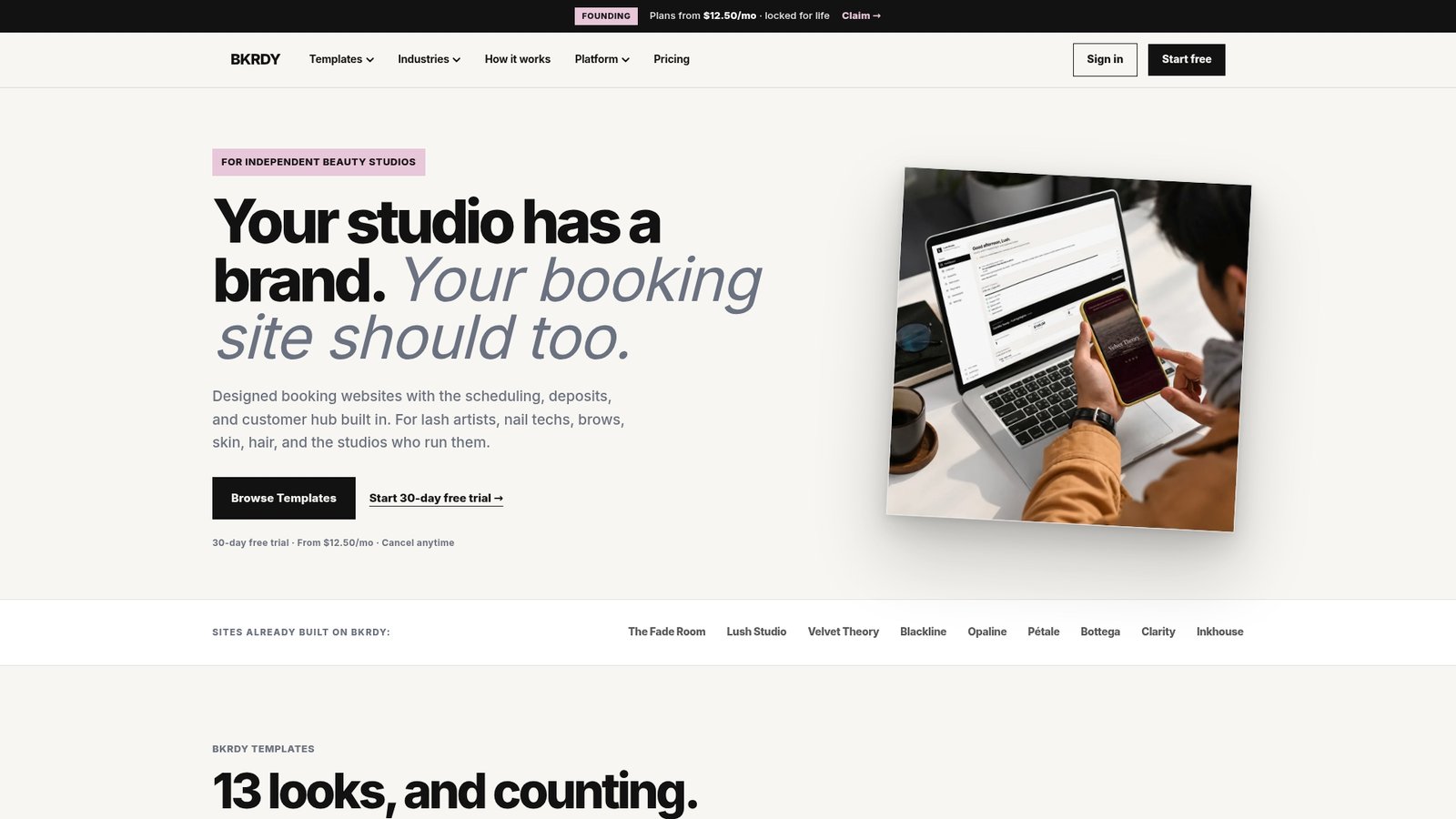
When a client books through Bkrdy, their service history and preferences are already attached to the appointment. No switching between apps, no hunting through paper cards. Bkrdy also handles deposit collection through Stripe and sends automatic reminders, so fewer appointments go to waste. If you are ready to give your clients a more personal experience from the moment they book, the Bkrdy nail tech platform is a practical place to start.
Client preference tracking is the practice of recording each client’s service history, product choices, allergies, and personal preferences in a structured format. The goal is to deliver consistent, personalized results at every appointment.
A complete record card includes the date of service, service type, product brand and color codes, application notes, client preferences, allergy information, and session photos. These five to six fields cover the data needed for consistent, repeatable results.
The best option is a platform that connects booking, client history, and communication in one place. CRM-integrated booking software for nail studios eliminates the data gaps that standalone apps and spreadsheets create.
Clients who feel remembered and understood return more often and refer others. Detailed records that include specific product details and application techniques show clients they are valued, which builds loyalty beyond the quality of the service itself.
Records should be updated after every single appointment, ideally before the client leaves. Inconsistent updates create false confidence and leave gaps that lead to service errors at future visits.
BKRDY
Pick a template, take deposits, and let clients book on your own branded site. 30-day free trial.
Start your 30-day trial