Blog Going solo
How to open a barber shop with no money
You should probably not open a shop yet, and that is the most useful thing on this page. A shop is a lease, a fit-out, insurance, a sign, chairs, and rent that arrives on the first whether anyone sat in those chairs or not. The shop is not the hard part. The quiet months after it opens are.
What you need is the ladder that gets you there without betting everything on day one. Four rungs, cheapest first. Each teaches you something the rung below cannot, and each has a number on your own book that says when to climb.
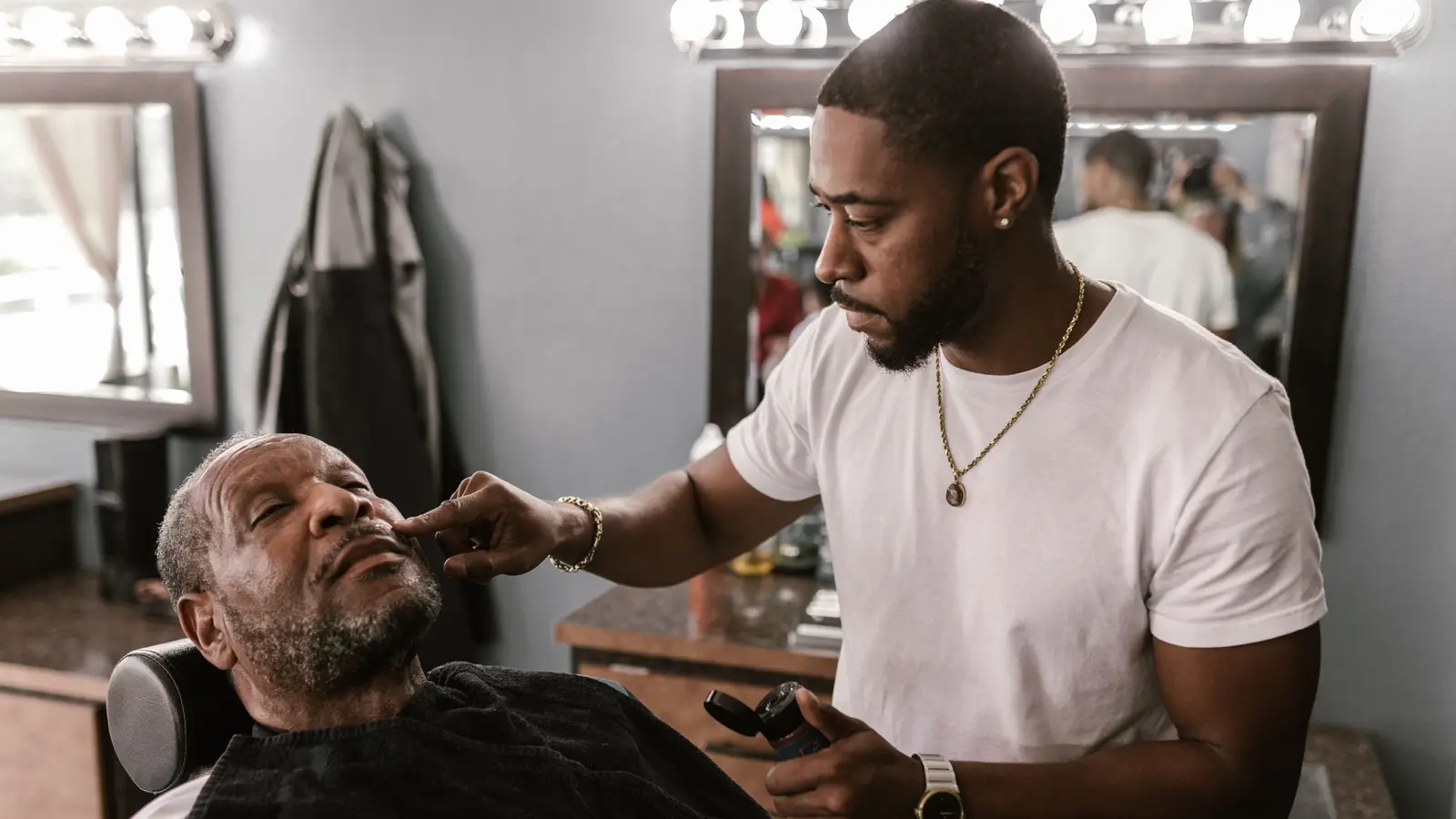
Rung one: a chair in someone else's shop, on commission
You pay nothing up front. The shop takes a share of every cut, often between a third and half, and carries the rent, the chair, the towels and the bad weeks. A dead Tuesday costs the shop money. It costs you only the day.
What it teaches you is the thing worth knowing before you sign anything: whether you can fill a chair in that neighborhood, at that price. Not whether you can cut. Whether people come back.
The number that tells you to climb: add up the shop's cut over your last eight weeks. If that total beats eight weeks of chair rent at the same shop, you are paying more for the chair than the chair costs.
Rung two: rent that same chair instead
Same shop, same mirror, same clients, different deal. You pay a fixed rent and keep everything you take, and you pick up what the shop used to absorb: your blades, your card fees, your product, your own booking page. This is the first real test of the economics, and it is reversible. If you are wrong, you go back on a split.
The number that tells you to climb: compare one month of rent against your slowest month of the last six, not your best. If your worst month still covers the rent with a few hundred dollars left over, the rent is not what will end you.
Rung three: your own room or a small suite
Your own door, your own hours, your own rules about music and the waiting chair. Rent sits above a chair and well below a shop, and that gap is the point: a quiet month here is painful, not fatal. Nobody wanders into a suite, so everyone in your chair got there knowing your name, which is the skill a shop demands of you later.
The number that tells you to climb: you are turning people away. Not one busy week, but a run of weeks with the diary full at the hours you want, and more than one barber you know by name asking you for a chair.
Rung four: your own shop, with chairs you rent to other barbers
This is the version of a shop most people mean. Three or four chairs, you in one, the rest rented to barbers who bring their own books. Their rent pays a large part of yours, so the building is not sitting on your takings alone. It is also where you manage people, a different job: the barber who shows up at ten past ten on a Saturday is now your problem.
The number that tells you to climb: the shop's monthly rent is covered by your own takings plus the rent from chairs you have already filled, with one chair left empty in the sum. If it only works with every chair full, so does the shop, and chairs empty out.
A lease, and any agreement with a shop, should be read by someone who knows what they are looking at before you sign, and licensing for barbering is set by your state board, so check yours.
What to spend the little you have on, in this order
- Your clippers and chair-side kit. Clippers, trimmer, foil shaver, blades, brush, cape. Tools you hold eight hours a day are not where you save money.
- Your own photos of your own work. A phone, daylight, the same spot every time, the back of every fade you are proud of. The one asset nobody can copy off you.
- A booking page that takes a deposit. It stops the no-shows and the midnight texting, and a new client can book at 11pm without you answering. The booking websites built for barbers differ mostly on what they do with deposits.
- A Google Business Profile. Free, and it is how someone two streets away finds you. Ask every client for a review, not only the happy ones, never offer anything in exchange, never write one yourself. Breaking those rules gets reviews removed.
What can wait: a sign, a logo, a branded cape, a second chair, any advertising. None of those put a person in your chair in month one.
Nothing matters more than the book you bring with you
A barber with eighty regulars who follow them can open small and be fine. A barber opening on hope is paying rent to find out.
A shop does not give you clients. It charges you rent while you look for them.
That book gets built on rungs one, two and three, not after the lease is signed. It is learning names, running on time, texting the guy whose beard trim is due, rebooking while the cape is still on. In your own shop that work gets harder, not easier, because you are also the cleaner and the bookkeeper.
So count your regulars honestly. Not followers: people who booked you three or more times in the last six months. Under thirty, the next rung is not a shop, it is filling the chair you already have. A booking page and a deposit do not have to wait for money, since BKRDY's Free plan costs nothing and a solo setup needs less than people assume.
Tell your clients yourself, the week before you move
Every time you climb a rung, your book needs one message: where you are, when you start, how to book. Short, warm, no apology. Send it one by one if your list is small.
Text to your clients when you move
Questions
Can I open a barber shop with no money at all?
Realistically no, and the attempt is how people lose their tools. Start on a commission chair, build a book, then rent that chair. Each rung funds the next out of the work rather than out of a loan.
How many regulars should I have before I rent my own space?
Enough that your slowest month of the last six still covers the rent with room left over. Count only clients who booked you three or more times in that period, because those are the ones who follow you.
Do my clients follow me when I move?
The ones you booked and rebooked yourself usually do, if you tell them early. The ones handed to you by the front desk often do not. That is why owning your own booking page and client list on the earlier rungs matters.